About the protest song
• Gimba
18 to 21 April 2022
-
Age rating
-
Group 1:
April 18 and 19: 5:30 p.m. – 8:00 p.m.
Live sessions on LU.CA’s Zoom -
Group 2:
April 20 and 21: 5:30 p.m. – 8:00 p.m.
Sessions will take place on the mezzanine level of LU.CA – Luís de Camões Theater -
Target audience:
Teachers
-
Price:
€10 (flat rate)
-
Duration:
5 hours (2 hours and 30 minutes per session)
-
:
Inscrição obrigatória até 17 abril através do email:
bilheteira@lucateatroluisdecamoes.pt com indicação do horário (grupo) pretendido -
Maximum number of participants per session:
20 people
A journey into the world of contemporary music from April 25, 1974.
-
Synopsis
Gimba takes us on a journey into the world of contemporary songs from April 25, 1974. Through a historical and chronological framework, we will explore Portuguese society in the first half of the 1970s and the social transformations that followed the revolution.
Songs, lyrics, songwriters, themes, and composition will be analyzed to better decipher the messages hidden in the lyrics and rhythms of protest songs. At the end, we provide a list of essential recordings for this topic and the best ways to incorporate these songs into the classroom.
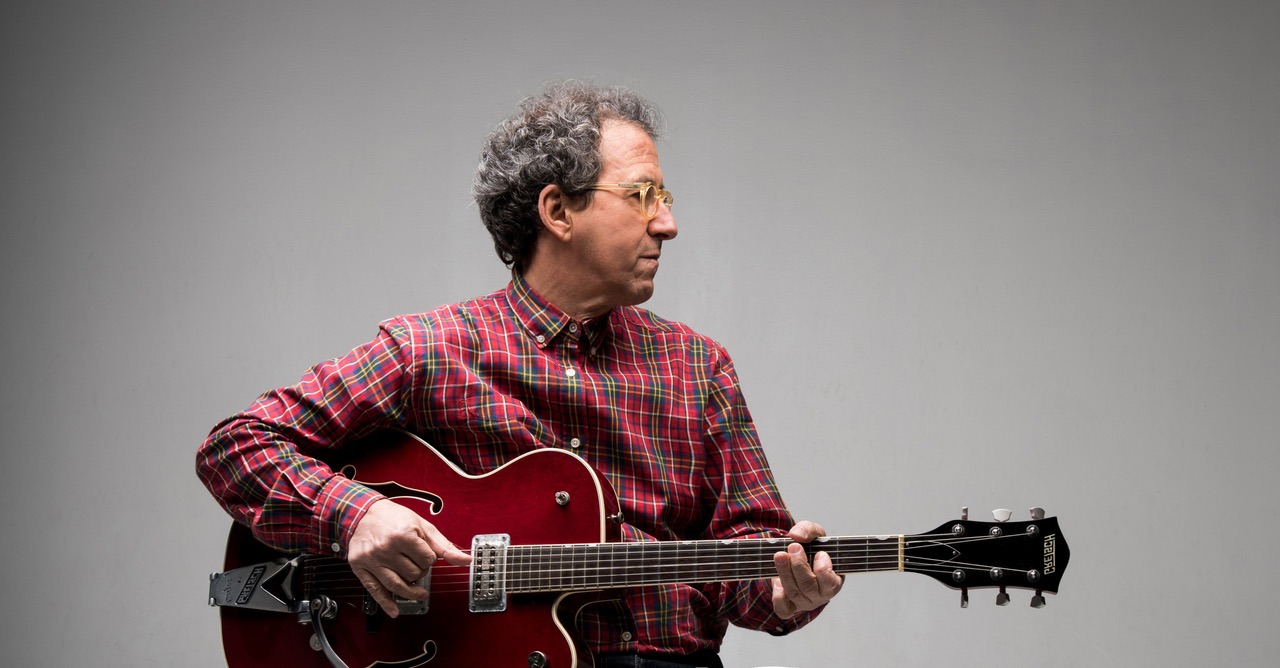
Gimba
Born in Lisbon, he has been immersed in music since a young age, having studied piano, flute, guitar, and singing. A musician, songwriter, and producer, he began composing and writing songs at age 9 and turned professional at 18. He was a founding member of Afonsinhos do Condado and the godfather of Xutos & Pontapés. He has recorded albums and produced works by various artists across an eclectic range: José Cid, Mário Laginha, Tim, Vicente da Câmara, Maria de Vasconcelos, As Royalettes, among others.
The short-term program “On Protest Songs” is certified by the Association of Portuguese Teachers (APP), the Association of History Teachers (APH) and the Portuguese Association of Music Education (APEM) for the recruitment groups to which the teachers of each association belong (110, 210, 220, 300, 310, 320, 330, 340, 350, 250, 610, M28, 200, and 400).
Other programmes


